Counter-UAV Drone System Hybrid-Propulsion Interceptor Device High-precision target detection and locking
Product Features
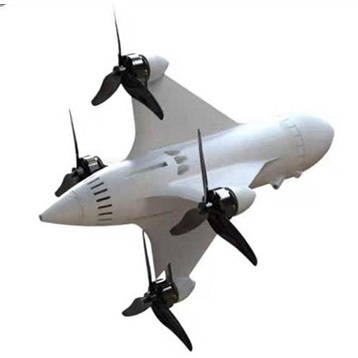
- The composite wing layout combines fixed-wing high-speed flight with multi-rotor vertical takeoff and landing capabilities.
- It supports FPV mode, and the adaptive flight control system automatically switches flight modes.
- The carbon fiber and glass fiber composite airframe offers high strength and lightweight characteristics.
- It has a maximum speed of 380 km/h and a normal cruising speed of approximately 120 km/h.
- It possesses all-weather interception and high-speed strike capabilities.
Key Performance Parameters
Core Flight Parameters
| Parameter Category | Specific Value |
| Maximum Level Flight Speed | 300km/h |
| Cruising Speed | 120km/h |
| Thrust-to-Weight Ratio | ≥2.0 |
| Climb Rate | 35–40m/s |
| Endurance | Fixed-wing mode: ≥3 hours; High-speed mode: ≥45 minutes; High-speed interception: 3–5 minutes |
| Communication Distance | Line of sight: 8–10km |
| Wind Resistance Level | ≥Level 7 |
| Operating Temperature Range | -20℃~50℃ |
Size and Payload Parameters
| Parameter Category | Specific Value |
| Maximum Takeoff Weight | ≤2.98kg (including warhead) |
| Effective Payload | 0.5–1kg |
| Total Length | 1.05m |
| Wingspan (Extended) | 1.40m |
| Maximum Height | 0.18m |
Core System Configuration
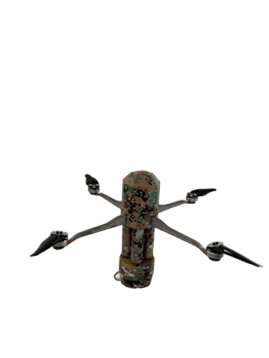
- Platform System: Glass fiber main structure with carbon fiber spars and pre-cut blast grooves. Four-rotor + ducted jet hybrid propulsion with 2200KV brushless motor (1.8kgf max thrust) and hidden 6S 10000mAh high-rate lithium battery.
- Guidance and Destruction System: 79GHz millimeter-wave radar with 200m detection distance for forward target tracking. Fuze supports piezoelectric ceramic triggering and 5m delayed self-destruction.
- Intelligent and Ground Control System: PX6 processor with custom tracking firmware for real-time radar/visual data fusion. 5.8GHz 800TVL image transmission. Ground station supports mission planning, status monitoring, and real-time parameter modification.
Combat Process and Typical Scenarios
Combat Process
- Launch Phase (0–10s): Vertical takeoff via four-rotor, climbing to 300m before automatic transition to level flight.
- Cruising Phase (10–120s): Radar scans 50–500m range while dual-optical camera confirms target thermal signature.
- Dive Attack (120–125s): 300km/h dive at 70°–90° angle, activating fuze at 100m from target.
- Termination Mechanism: Target impact detonation or 5-second core self-destruct if missed.
Typical Scenarios
- Intercepting Small UAV Swarms: 90% damage probability against 120km/h targets with 0.01m² RCS via central target airburst.
- Destroying Light Radar Stations: Identifies 60℃ heat sources, attacks at 70° angle to penetrate 8mm steel plate with 0.1s delayed explosion.
Shenzhen Fengqing Instrument Co., Ltd.
Crafted in China, Quality Forges Low-Altitude Security.
Upholding a "customer-first" philosophy, we provide comprehensive lifecycle support:
- Pre-sales Consultation: Customized solutions based on client needs and budget
- In-sales Support: Technical assistance for installation, debugging, and training
- After-sales Service: Rapid-response system including remote support and maintenance