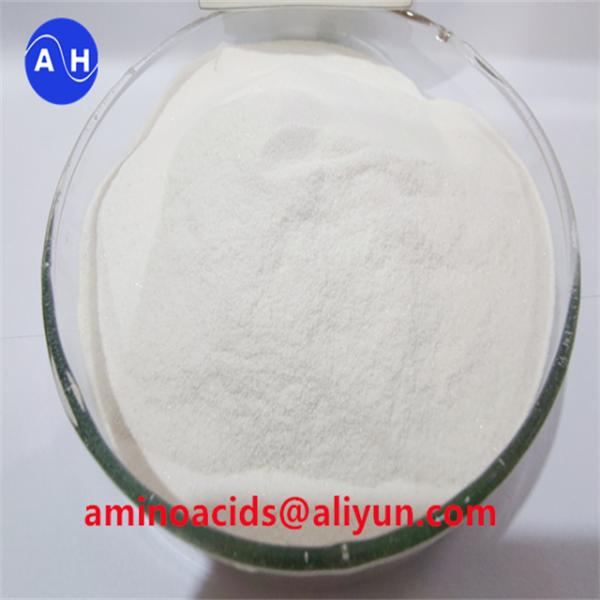
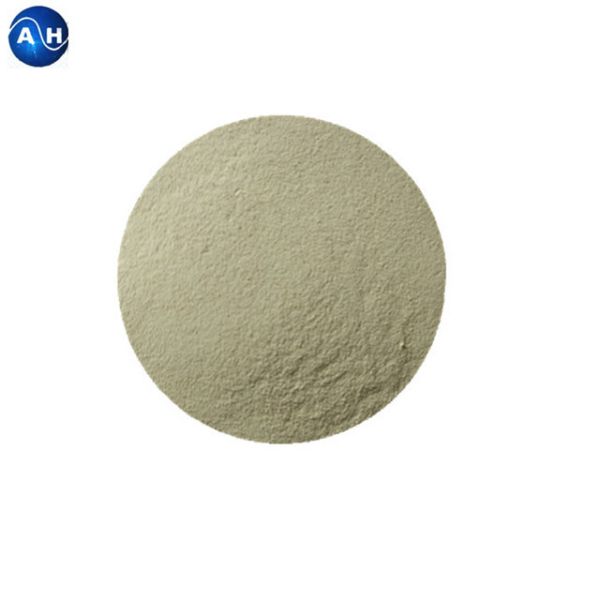
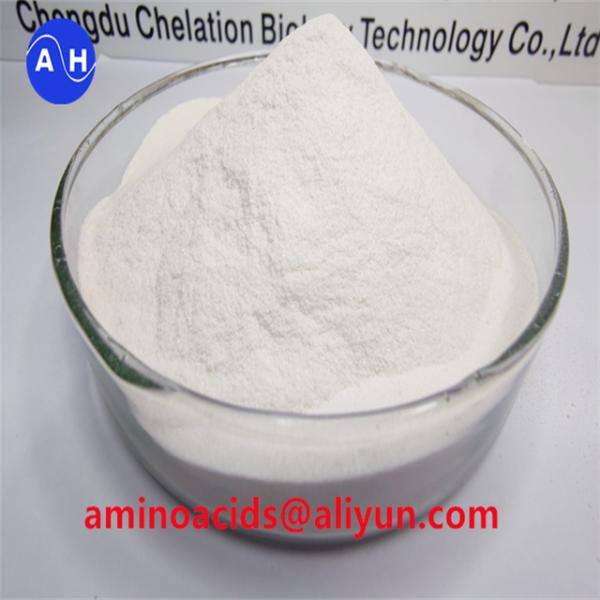
Free Amino Acid 90% - Light Yellow Powder, Fully Water Soluble
Premium free amino acid powder extracted from non-GMO soybean meal, featuring high bioavailability and excellent water solubility for agricultural applications.
Understanding Free Amino Acids 90%
Free amino acids serve as the primary currency of protein metabolism in multicellular organisms, with concentrations typically lower than protein-bound forms.
Free vs. Total Amino Acids
Total amino acid analysis measures both protein-bound and unbound amino acids, while free amino acid analysis specifically quantifies individual unbound amino acids not bound in proteins.
Product Specifications
| Total Amino Acid |
More than 90% |
| Chlorine Content |
None |
| Extracted From |
Non-GMO Soybean Meal |
| pH Level |
4-6 |
| Free Amino Acids |
More than 88% |
| Water Solubility |
100% |
Key Benefits
- Promotes growth through involvement in various metabolic processes
- High bioavailability up to 90% for immediate nutrient utilization
Product Details
| Minimum Order Quantity |
1000 Kg |
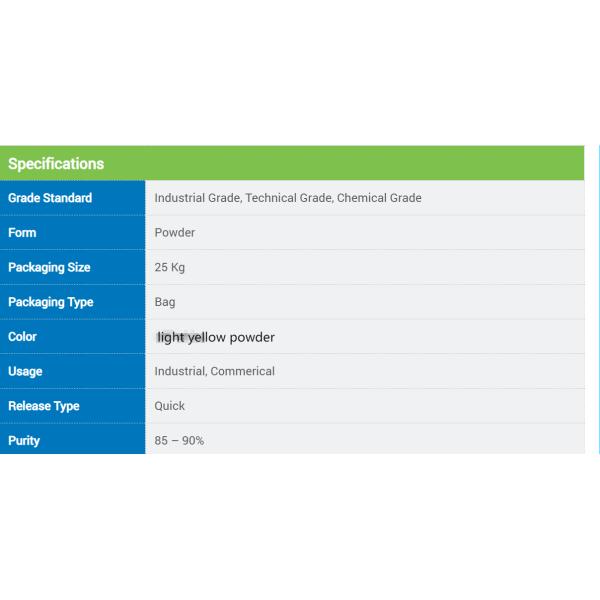
| Form |
Powder |
| Packaging Type |
Bag |
| Grade Standard |
Chemical Grade |
| Usage |
Industrial, Commercial |
| Packaging Size |
25 Kg |
| Release Type |
Quick |
| Purity |
85-90% |
| Color |
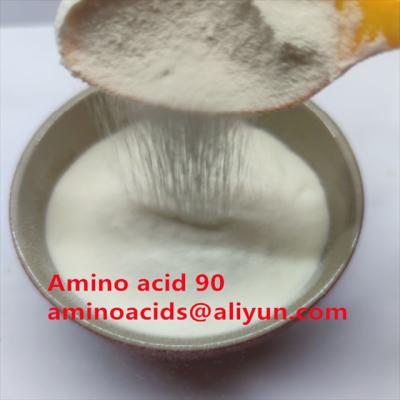
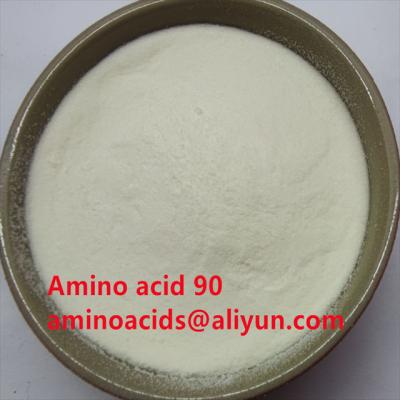
Light Yellow Powder |
Agricultural Benefits
- Stress Tolerance and Resistance: Enhances plant resilience against drought, high temperatures, salinity, and disease through improved osmotic regulation and antioxidant defense mechanisms.
- Improved Root Development: Promotes healthy root growth for increased nutrient and water absorption, resulting in stronger, more robust plants.
- Enhanced Flowering and Fruit Set: Supports flower and fruit development processes including pollen germination, pollination, and hormone regulation for increased production and quality.
Packaging & Storage
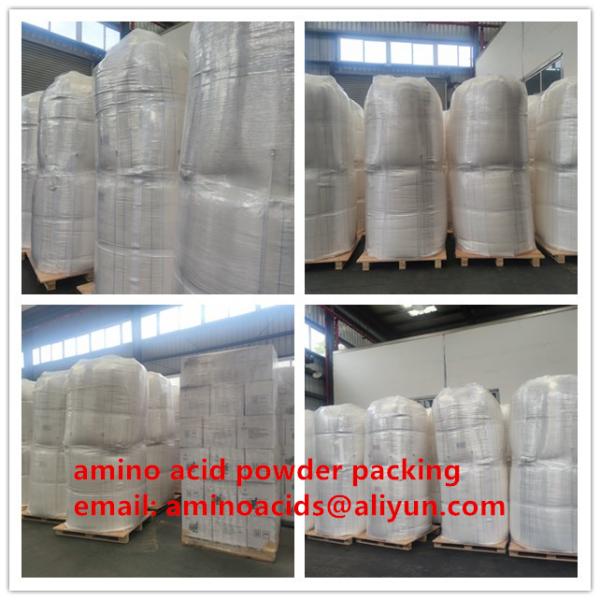
Available in 20KG/BAG or 10KG/BAG (Kraft bag outside with plastic bag inside). Store in a dry place and keep sealed when not in use.
Usage Recommendations
- Application Method: Can be mixed with water for foliar spraying or incorporated into the soil
- Dosage: Follow manufacturer guidelines based on crop type and growth stage
- Compatibility: Generally compatible with other organic fertilizers and biostimulants
Quality Considerations
- Verify organic certification and absence of synthetic additives
- Conduct soil tests to determine specific nutrient needs
- Adjust application rates based on test results and crop requirements