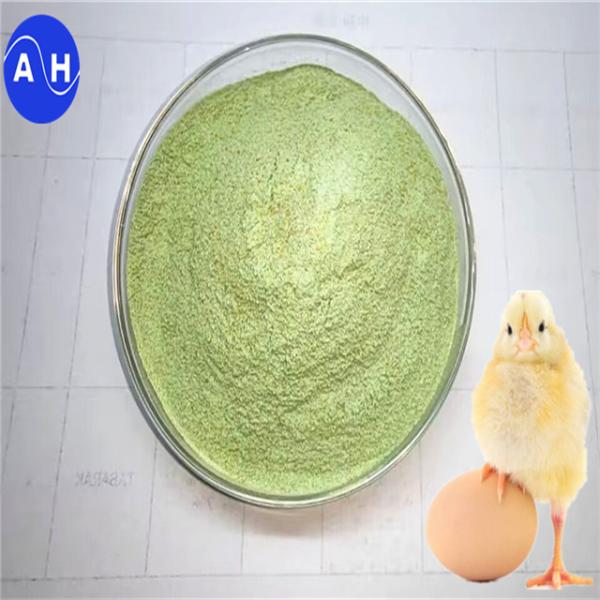
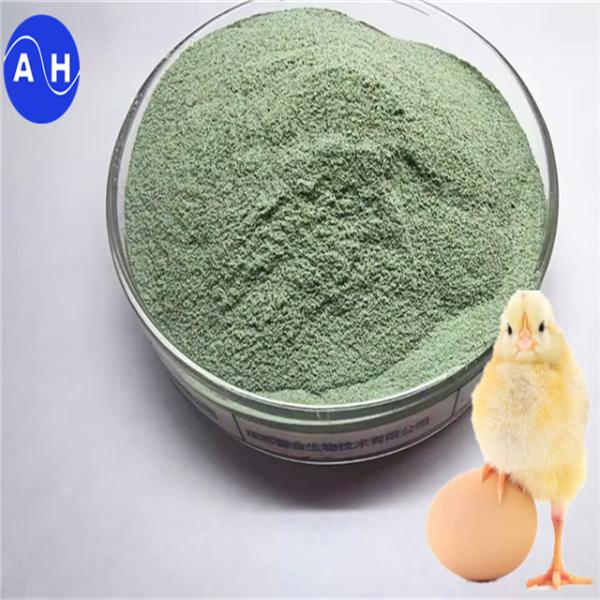
Copper Proteinate - The Ideal Source of Bioavailable Copper for Livestock Nutrition and Health
| Attribute |
Value |
| Name |
Copper Proteinate |
| Organic Cu |
20% |
| Crude protein |
More than 25% |
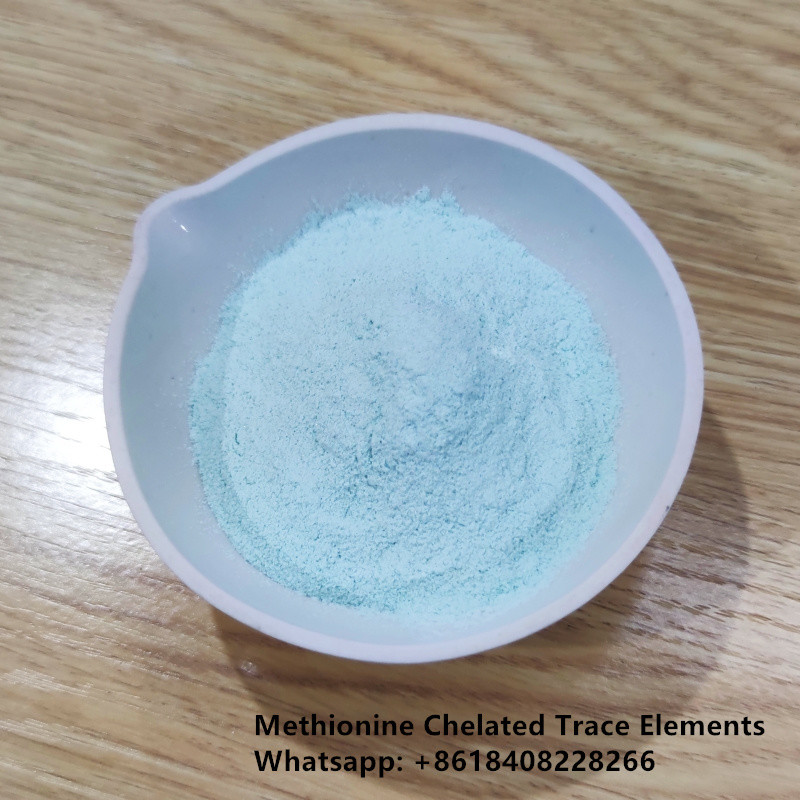
| Color |
Green powder |
| Usage |
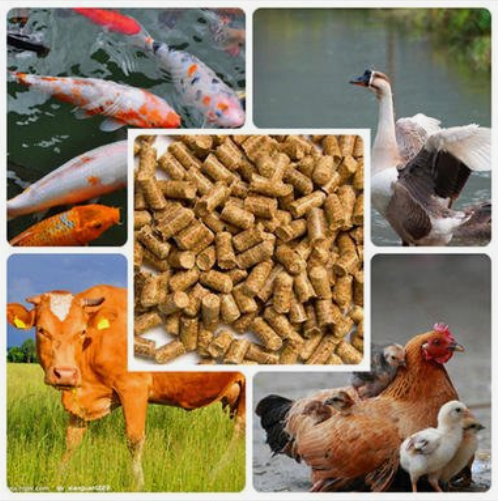
Cattle, Chicken, Pig, Fish, Horse (all animals) |
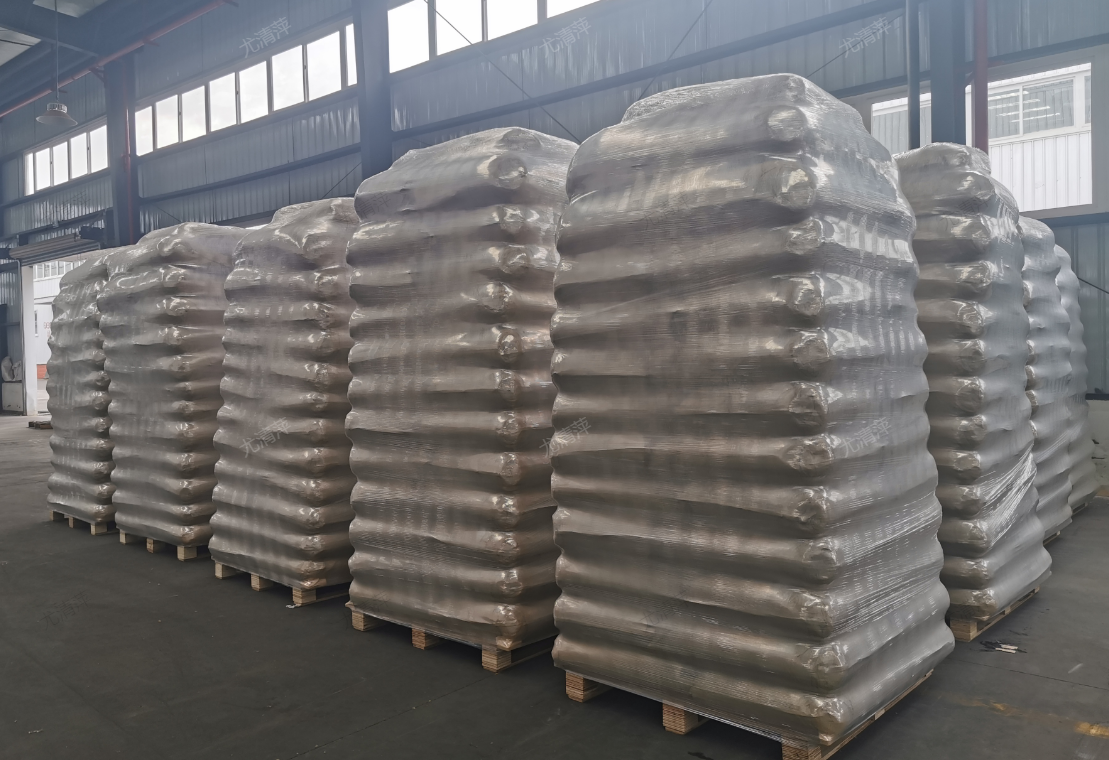
| Pack |
25kg or customized |
Chelated Peptide Minerals Copper for Feed Material
Technical WhatsApp: 86-13699415698
What are Chelated Peptide Minerals Copper?
- Definition: Minerals bound to amino acids or peptides, enhancing absorption in the digestive tract.
- Benefits:
- Improved bioavailability compared to inorganic mineral sources
- Reduced competition with other minerals for absorption
- Enhanced stability in feed formulations
Copper as a Chelated Mineral
- Importance: Essential for physiological functions including:
- Enzyme activation (e.g., cytochrome c oxidase)
- Iron metabolism and hemoglobin formation
- Immune function and antioxidant defense
- Deficiency Symptoms: Poor growth, anemia, and weakened immune response
Feed Materials
- Sources: Copper glycinate, copper methionine, other amino acid complexes
- Incorporation: Added to complete feeds for poultry, swine, ruminants, and nutritional supplements
Applications in Animal Nutrition
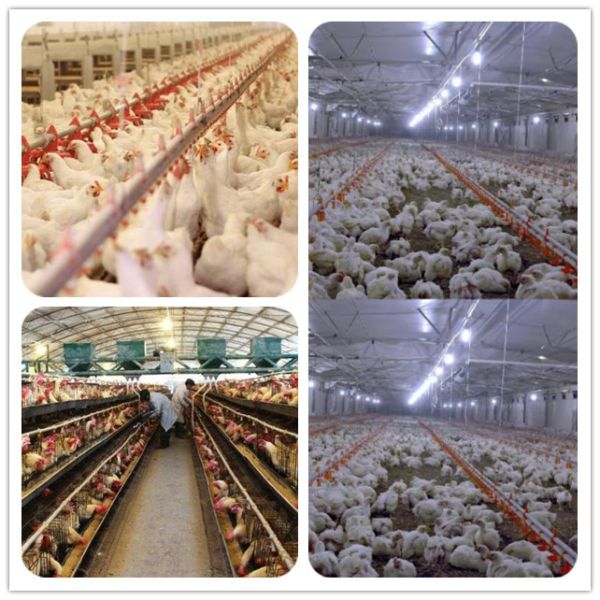
- Poultry: Supports growth, egg production, and overall health
- Swine: Promotes growth and enhances feed efficiency
- Ruminants: Aids metabolism and improves immune function
The product is a raw material for industrial use, not a finished product. Users must have the knowledge and appropriate tools for using the raw material.
Key Benefits
- Promotes synthesis of Glutathione peroxidase, enhancing antioxidant capacity
- Protects animal health by reducing toxicity of harmful substances
- Supports reproductive organ development and sperm cell formation
- Stimulates immunoglobulin and antibody production to improve disease resistance
- Provides essential nutrients to enhance growth and production performance
In Poultry
Selenium amino acid chelated supplementation provides beneficial effects against diseases including coccidiosis, necrotic enteritis and pathogenic E. coli. It enhances growth performance, antioxidant capacities, and gene expression while reducing oocysts shedding and cecal lesion scores.
Ruminants
Selenium deficiency in domestic animals leads to immunosuppression, making animals prone to bacterial and viral infections while compromising neutrophil activity and antibody production.
Specification
| Parameter |
Value |
| Appearance |
Light yellow powder |
| Moisture content |
≤ 10% |
| Ash content |
≤ 10% |
| Crude protein content |
≥20% |
| Total amino acid content |
≥10% |
| Iron content |
≥ 20% |
| Vitamin E |
≥5 mg/kg |
| Vitamin D3 |
≥2000 IU/kg |
Efficacy
Selenium is an essential trace mineral important for maintaining homeostasis in animals, with strong antioxidant, anti-inflammatory and potential capacity. Deficiency affects productive efficiency and health, causing lower weight gains, reduced milk yield, fertility issues, and health problems from cell membrane damage and immunosuppression.
Recommended Dosage
Add 3%-5% to aquatic products, livestock and poultry compound feed. Adjust according to biological varieties and growth period with no adverse effects.
Packaging and Storage
- 20kg/bag (Kraft bag outside and plastic bag inside)
- Keep tightly closed in a dry, ventilated place