PVDF (polyvinylidene fluoride) : This is a kind of fluorocarbon resin coating with ultra-high performance. The fluorine-carbon bond in its molecular structure is extremely stable, endowing the coating with excellent UV resistance, chemical corrosion resistance, anti-pollution and self-cleaning properties.

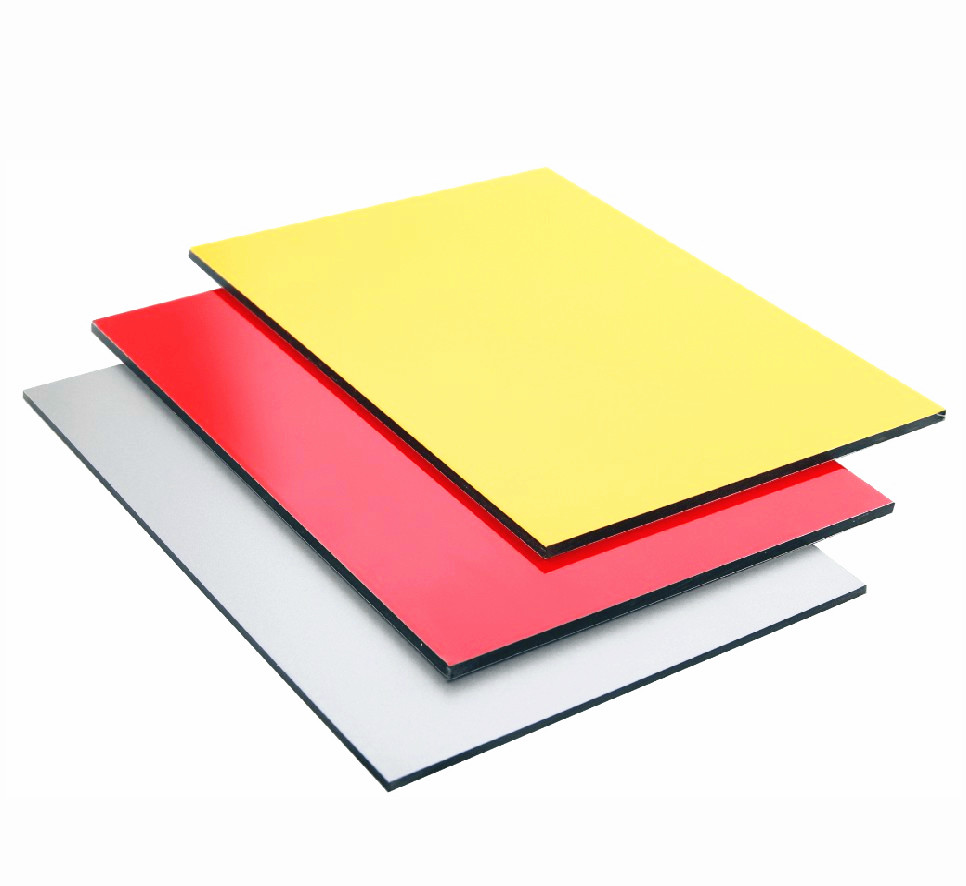
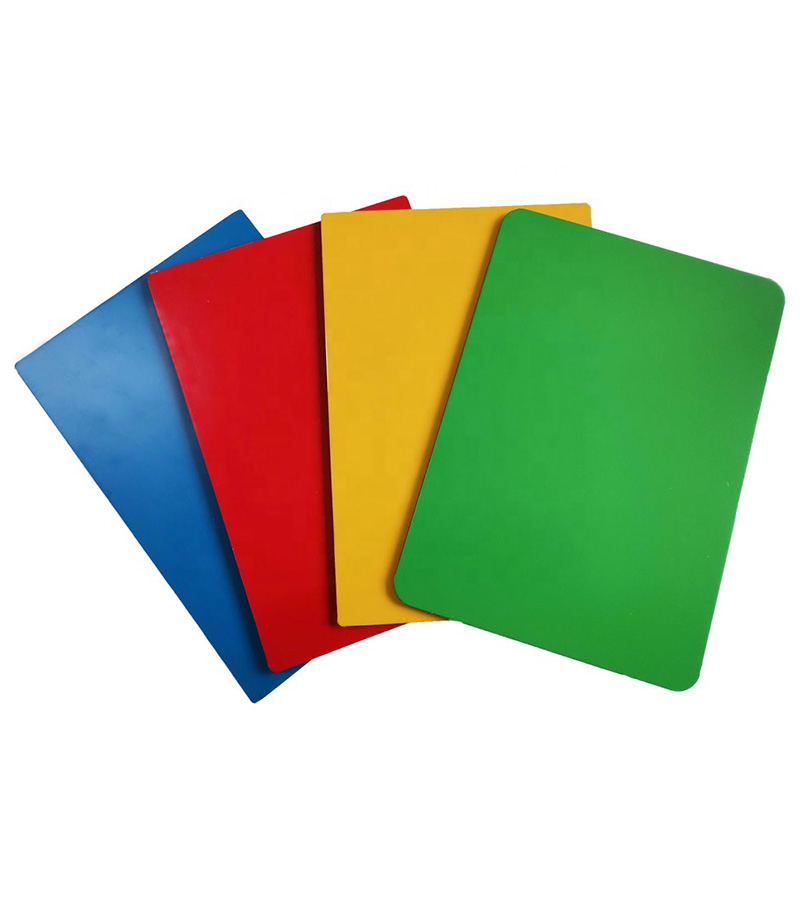
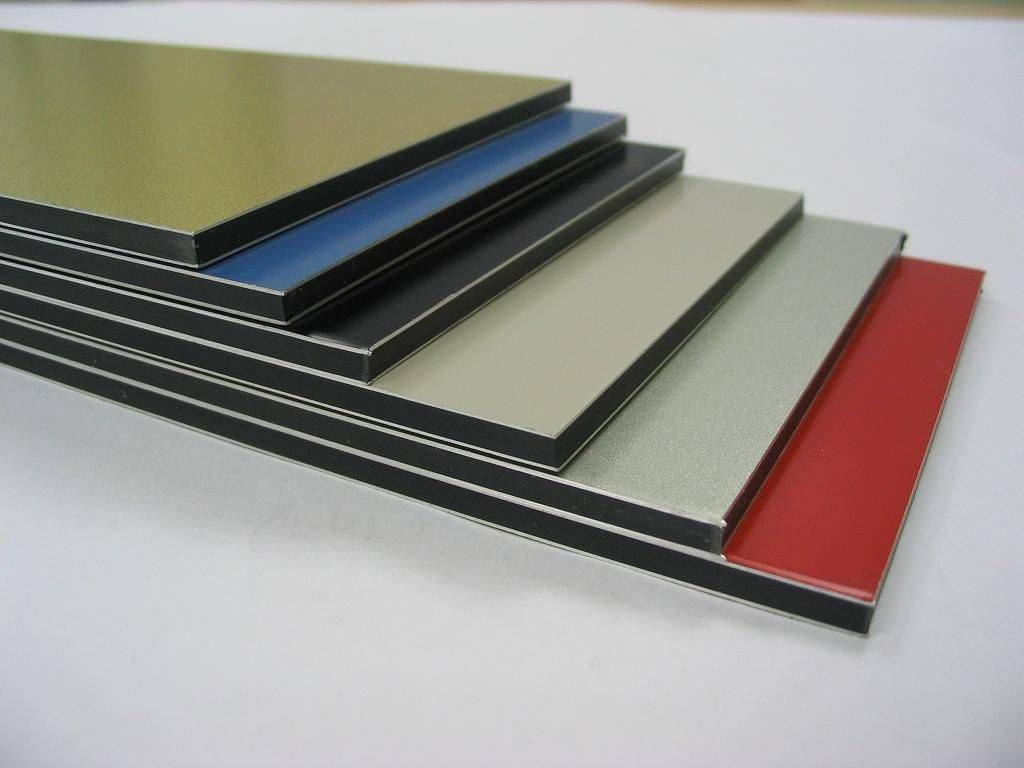
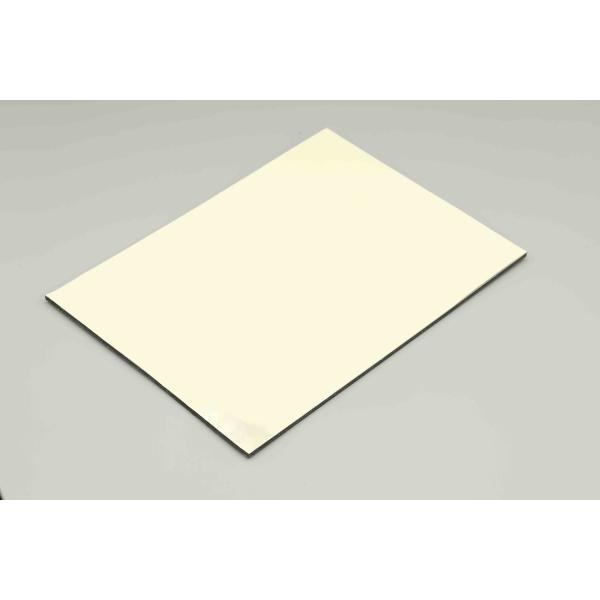
Aluminum composite panel (ACP) : It is made by combining two layers of aluminum panels (usually 0.3mm-0.5mm thick) with a plastic core material (usually polyethylene PE) in the middle under high temperature and high pressure.
PVDF aluminum composite panel = Aluminum composite panel with PVDF fluorocarbon coating on the surface of the panel. This represents the highest weather resistance grade of its coating.

Key technologies and selection points
When choosing PVDF aluminum composite panels, one must not merely look at the name. The following core details must be paid attention to:
Coating systems and standards
The "three-coat" process: High-quality PVDF coatings typically consist of a three-layer structure of "primer + topcoat + clear coat". Varnish (protective paint) can further enhance weather resistance and stain resistance.
International certification: The most authoritative standard is the AAMA 2605 specification of the American Building Manufacturers Association. Only PVDF coatings that comply with this specification are truly of the "super weather resistance grade". (AAMA 2603 is the high-performance grade and 2604 is the weather-resistant grade, both of which are lower than 2605).
2. Core material - The key to safety and fire resistance
Common PE core material: Flammable, it will burn and release toxic thick smoke in a fire. Most countries have explicitly prohibited its use in high-rise buildings.
Fireproof core material: Fireproof core material must be selected! Common ones include:
Mineral fireproof core: Filled with non-combustible mineral substances (such as aluminum hydroxide), the fire resistance rating can reach A2 grade (non-combustible) or B1 grade (difficult to ignite). This is currently the mainstream first choice for high-rise buildings.
Halogen-free flame-retardant PE core: Its flame-retardant performance is superior to that of ordinary PE, but the grade is usually B1.
3. Aluminum plate base material
Thickness: Common panel thicknesses are 0.4mm and 0.5mm. The common total plate thickness is 3mm, 4mm and 6mm.

Application field
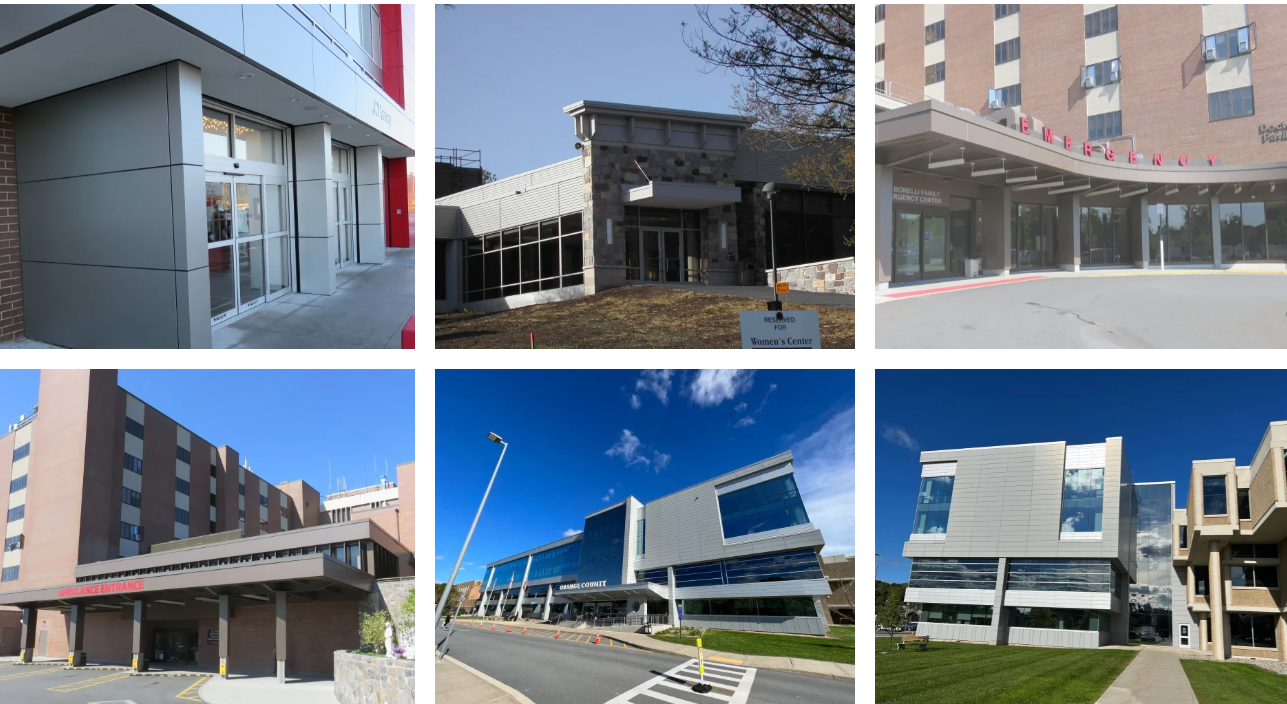
Commercial building curtain walls: office buildings, shopping malls, hotels, airports, exhibition centers, etc.
Public building facades: museums, theaters, gymnasiums, schools.
High-end interior decoration for buildings: lobby background walls, elevator lobbies, and interior decoration of brand stores (attention should be paid to indoor fire protection regulations).
Advertising signs and signage systems.

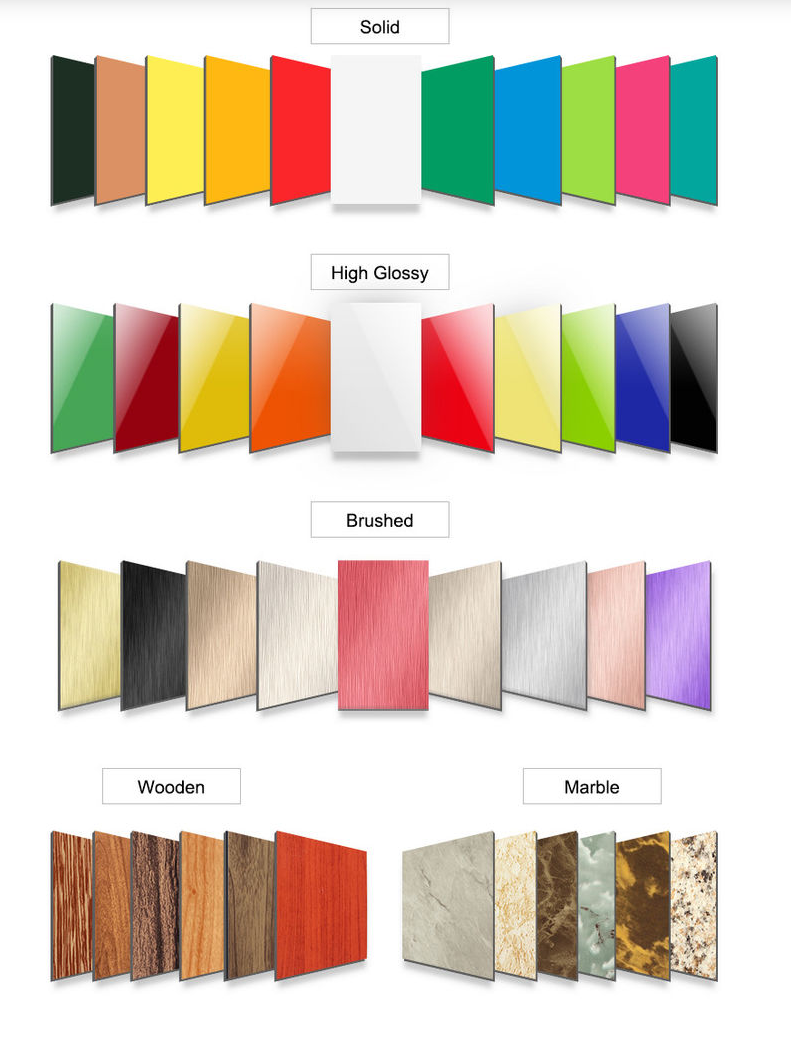
Our Main Related Products

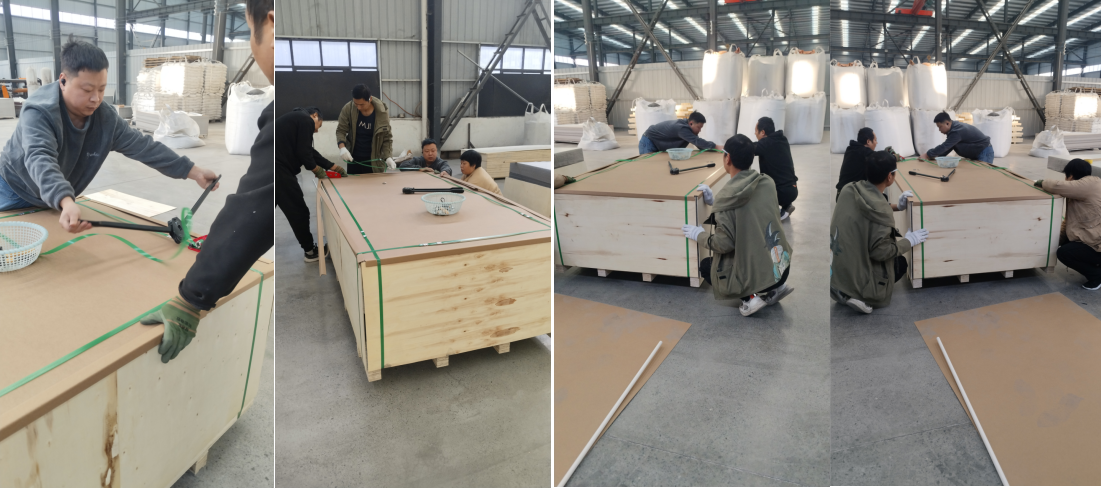
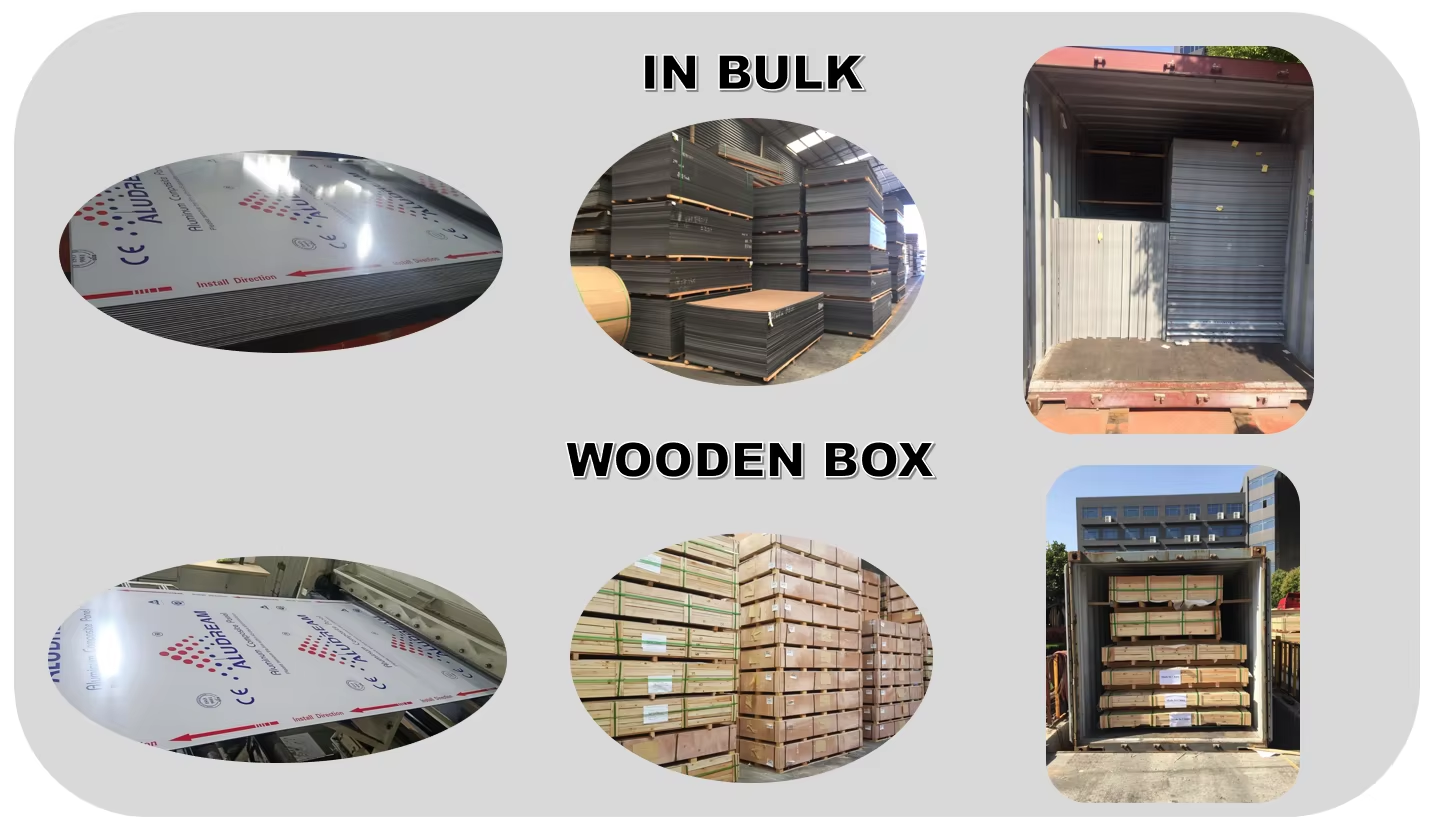
Product Packaging for Aluminum Composite Panel:
The Marble Aluminum Composite Panels are carefully packaged to ensure they arrive in perfect condition. Each panel is wrapped in protective film and then stacked and securely packed in strong cardboard boxes. The corners and edges are reinforced to prevent any damage during transit.

Shipping Information:
Our Aluminum Composite Panels are shipped via a reliable courier service to ensure safe and timely delivery. We work closely with our shipping partners to track and monitor each shipment to provide you with accurate delivery estimates. Once your order is dispatched, you will receive a tracking number to monitor the progress of your delivery.

Q: What is the brand name of the Aluminum Composite Panel?
A: The brand name is Alushang.
Q: What are the dimensions and thickness of the Aluminum Composite Panel?
A: The model number is 1220*2440MM 4MM.
Q: What certifications does the Aluminum Composite Panel have?
A: It is certified by SGS and ISO9001.
Q: Where is the Aluminum Composite Panel manufactured?
A: The panels are manufactured in China.
Q: What is the minimum order quantity for the Aluminum Composite Panel?
A: The minimum order quantity is 300 square meters.