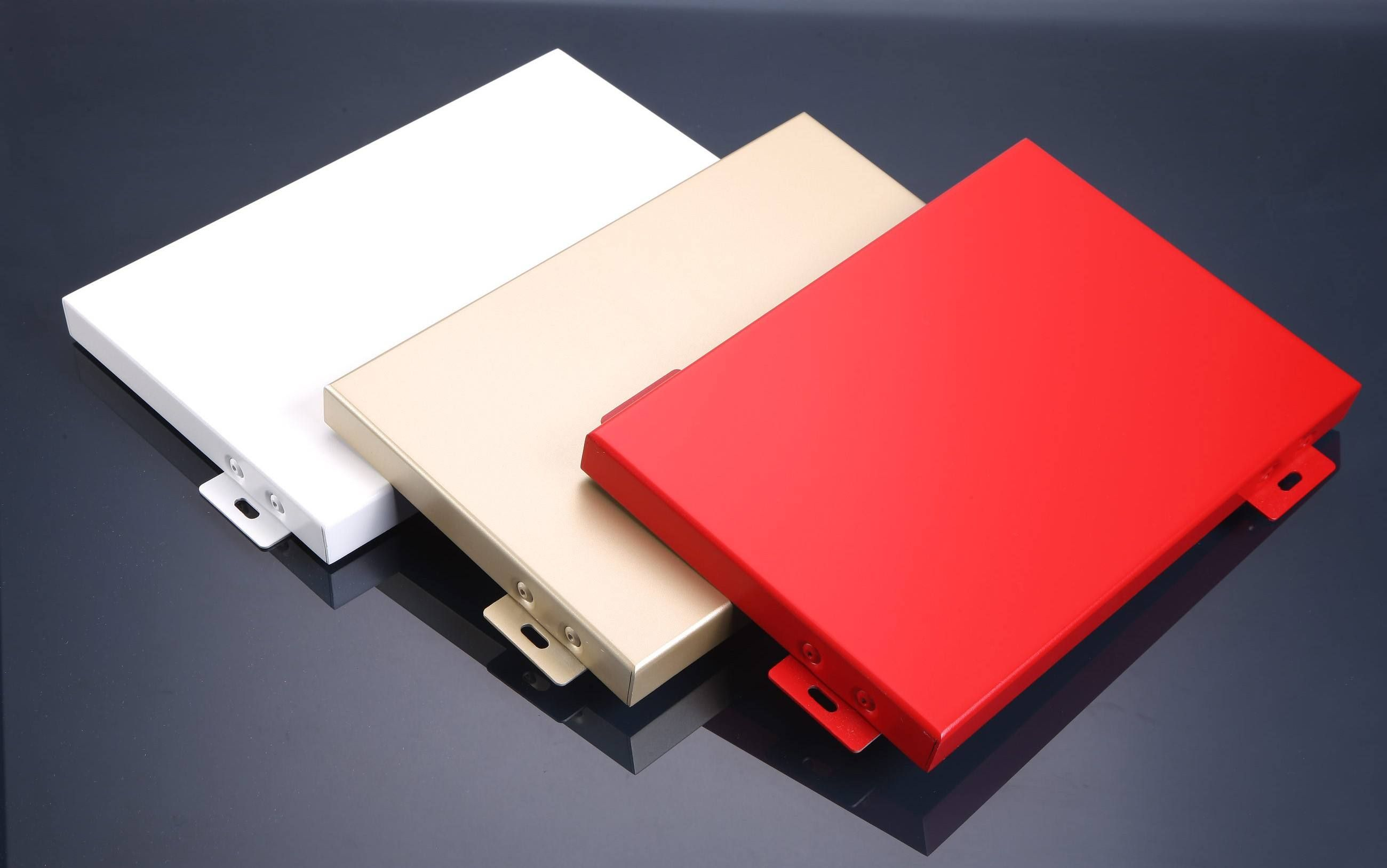
In architectural design and construction, "Aluminum Veneer" usually refers to the aluminum plate system for building curtain walls that we often talk about. It tends to describe its function as the "exterior skin of the building" or "decorative cladding" rather than specifically referring to a certain type of plate.

The popularity of aluminum plates stems from the superiority of their comprehensive performance
Lightweight and high strength: The density of aluminium is only one-third that of steel, but through alloying (such as 3 series, 5 series) and work hardening, it can achieve excellent structural strength, significantly reducing the load on buildings.
Outstanding weather resistance: The surface treatment layer (especially fluorocarbon spraying) provides extremely strong resistance to ultraviolet rays, acid rain and corrosion, and the color can remain unchanged for more than 20 years without significant fading.
Extremely high design freedom
Shape: It can be bent, rolled into an arc, and welded into various curved surfaces and three-dimensional shapes.
Color: Any RAL or Pantone color can be achieved through spraying.
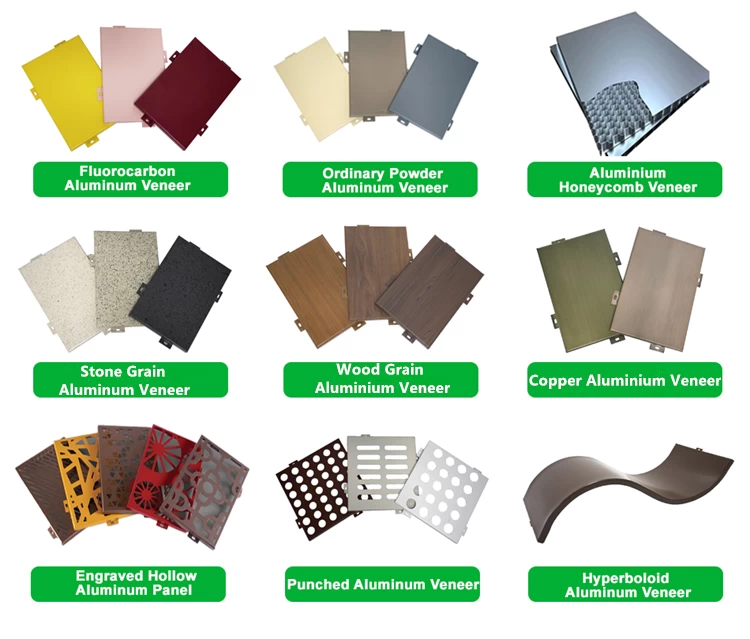
Texture: It can undergo anodizing (metallic texture), wood grain and stone grain transfer printing, brushing, mirror finish and other treatments.
Perforation: Artistic perforation can be carried out to create unique light and shadow as well as texture effects, and it also has the functions of shading and ventilation.
Convenient construction: Factory production, quick on-site installation, dry operation, and minimal environmental impact.
Environmentally friendly and recyclable: Aluminum materials can be 100% infinitely recycled and reused, making it the preferred material for green buildings.

Provision of Drawings
- Importance of Drawings
Detailed drawings are essential for accurate production of aluminum veneer. They provide information about the shape, size, dimensions, and any special features or requirements of the panels. Architects and designers usually provide these drawings to aluminum veneer manufacturers.(marked where is the aluminum veneer where is the glass where is the profile) after the installation of the aluminum veneer frame, and come up with the aluminum processing diagrams then offer your prices.
Applications:
- Exterior Wall Decoration
Aluminum veneer is a popular choice for exterior wall cladding. It can enhance the building's appearance, protect the structure from the elements, and improve energy efficiency. For example, in modern office buildings, aluminum veneer facades can create a sleek and contemporary look. - Interior Decoration
It is used for interior wall paneling, column wrapping, and ceiling decoration. In luxury hotels and high-end residential projects, aluminum veneer can add a touch of elegance and sophistication. Its ability to be customized in terms of color and pattern allows for the creation of unique interior spaces. - Ceiling Systems
Aluminum veneer ceilings are known for their durability, light-reflecting properties, and easy maintenance. They are commonly used in public spaces such as airports, shopping malls, and convention centers, where large-scale, visually appealing ceilings are required. - Billboards and Signage
Due to its lightweight nature and good printability, aluminum veneer is an ideal material for billboards and signage. It can effectively display advertisements and information while withstanding outdoor weather conditions.

Product Packaging:
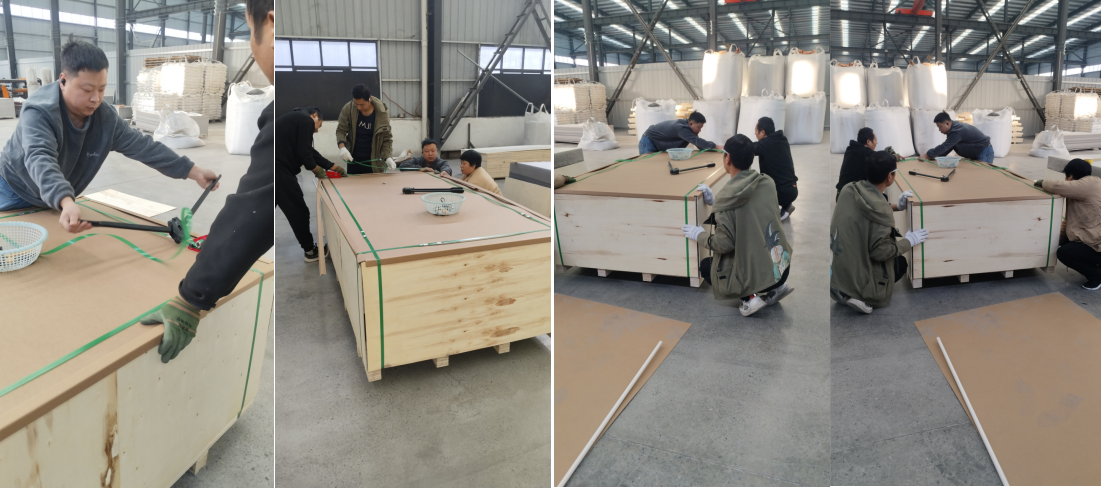
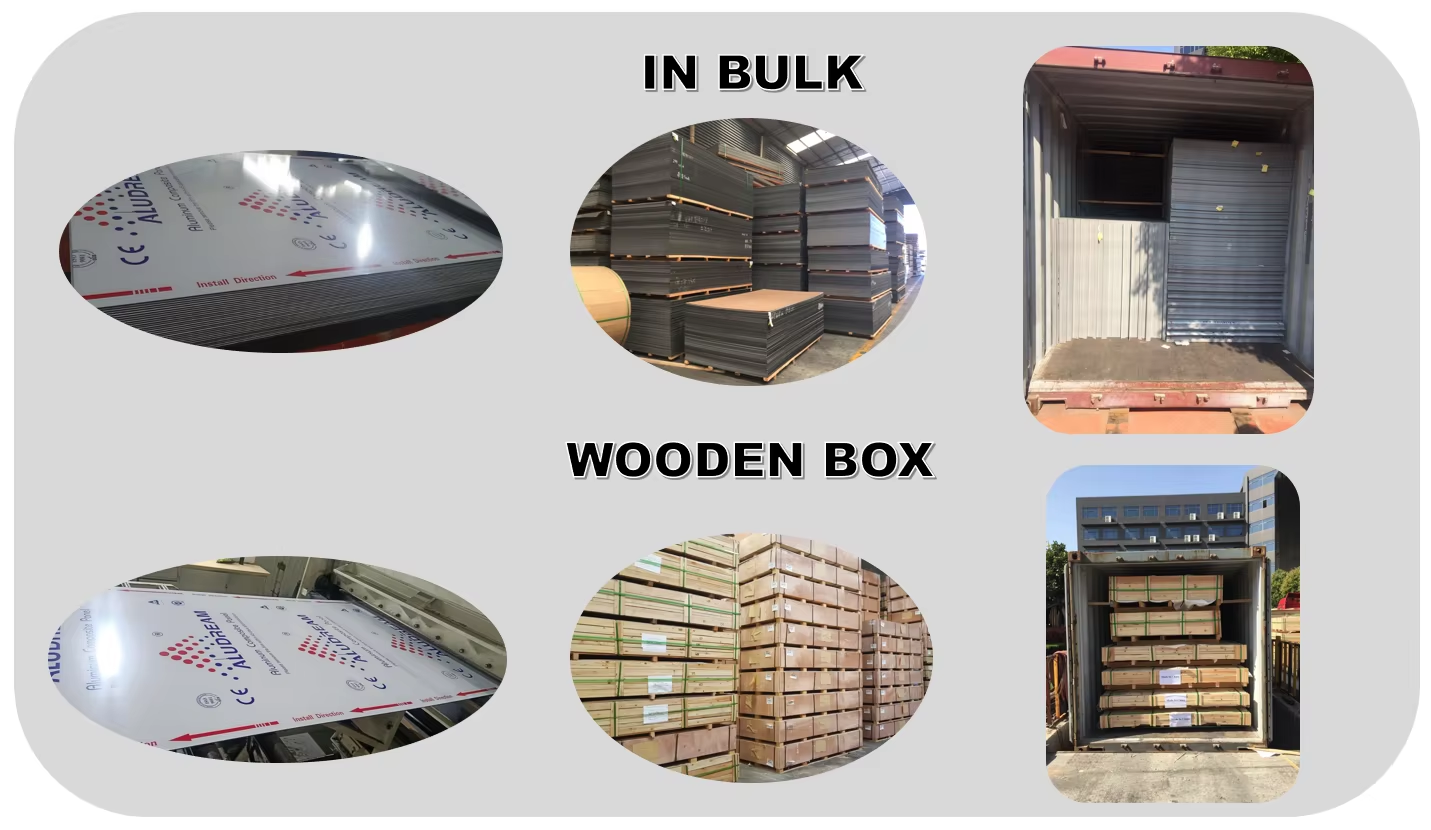
The Aluminum veneer products are packaged with films, protected by foam and plastic film, and placed in wooden crates with a maximum of 50 panels per crate, and each crate is labeled with the product name, size, color, and quantity.

Shipping:
Aluminum veneer products are shipped via sea freight.
- Size: Containers have standard dimensions. For example, a 20-foot container has an internal length of about 5.9 meters, width of about 2.35 meters, and height of about 2.39 meters. The size of the aluminum veneer should be suitable for loading into the container. Oversized aluminum veneers may require special arrangements such as open-top containers or flat rack containers.
- Weight: The maximum payload of a 20-foot container is generally around 21-23 tons, and for a 40-foot container, it's about 26-28 tons. The weight of the aluminum veneer and its packaging should be within these limits to ensure safe shipping and compliance with port and shipping regulations.

Thank you for watching
Sincerely look forward to our cooperation!