Of course. Brushed Aluminum Composite Panels (ACP) are a highly popular subset of ACPs, known for their sleek, modern, and sophisticated appearance. They combine the durability and lightweight nature of composite panels with the specific visual and tactile finish of brushed metal.

Here’s a comprehensive breakdown of what they are, their characteristics, applications, and key considerations.
What Are They?
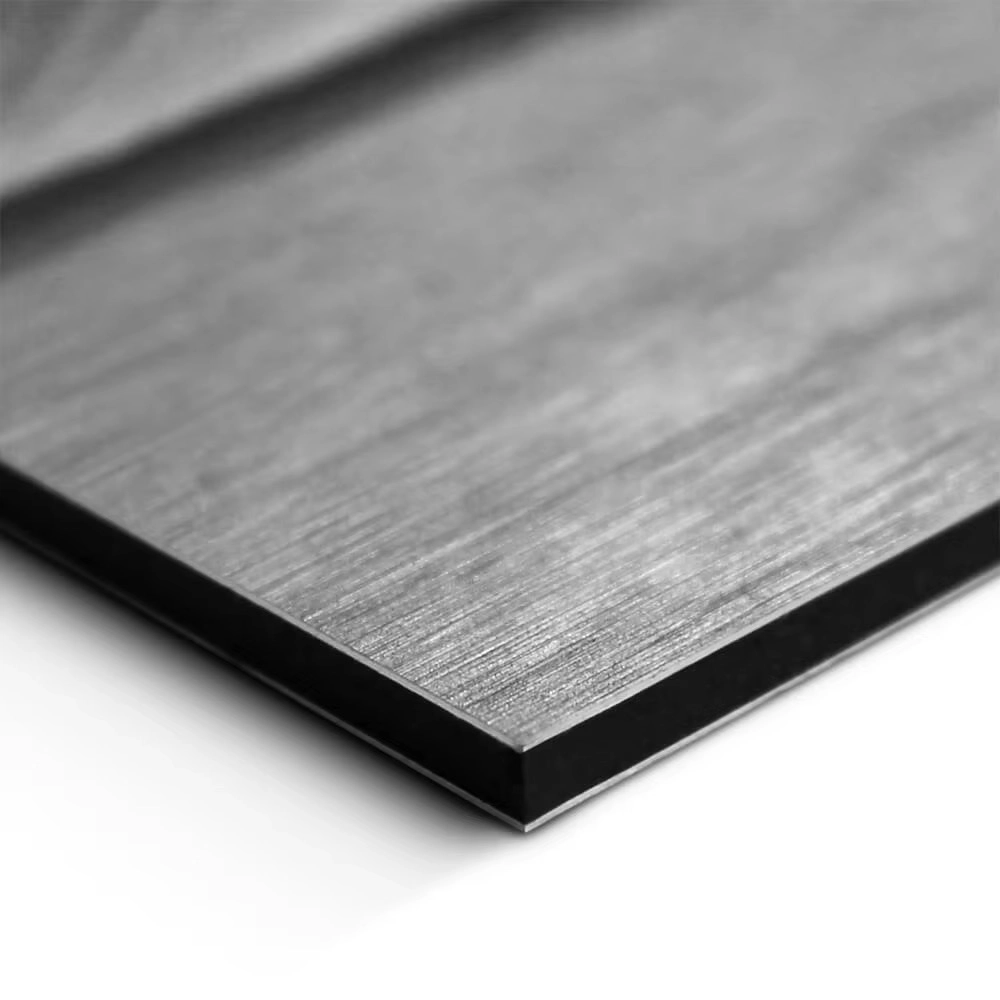
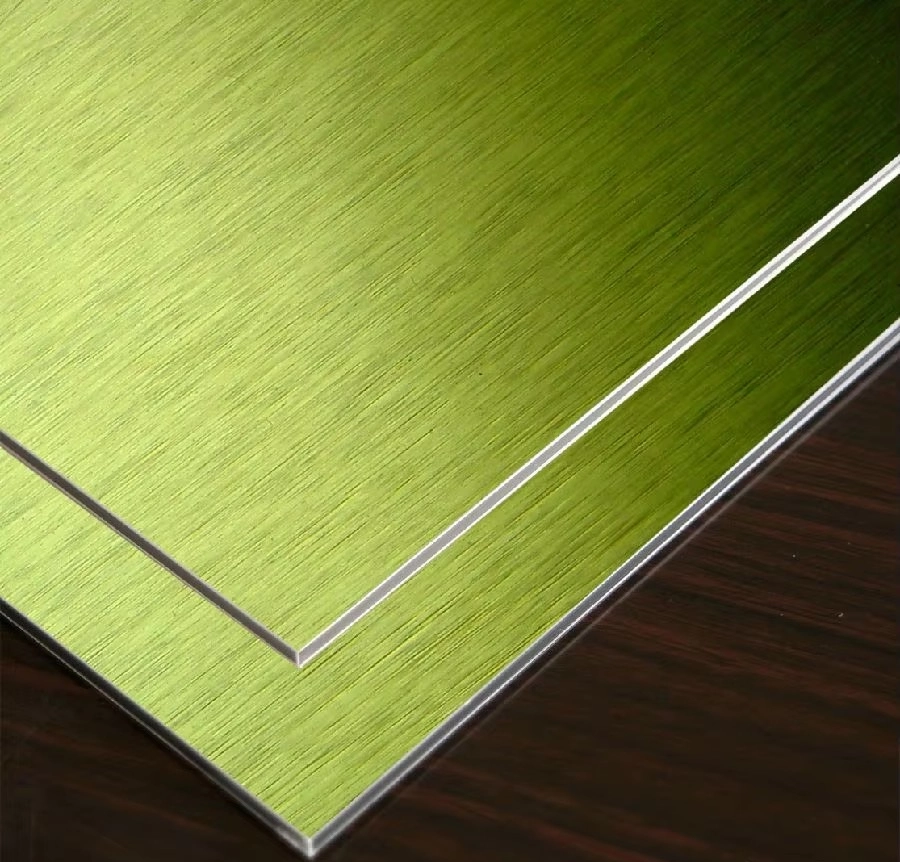
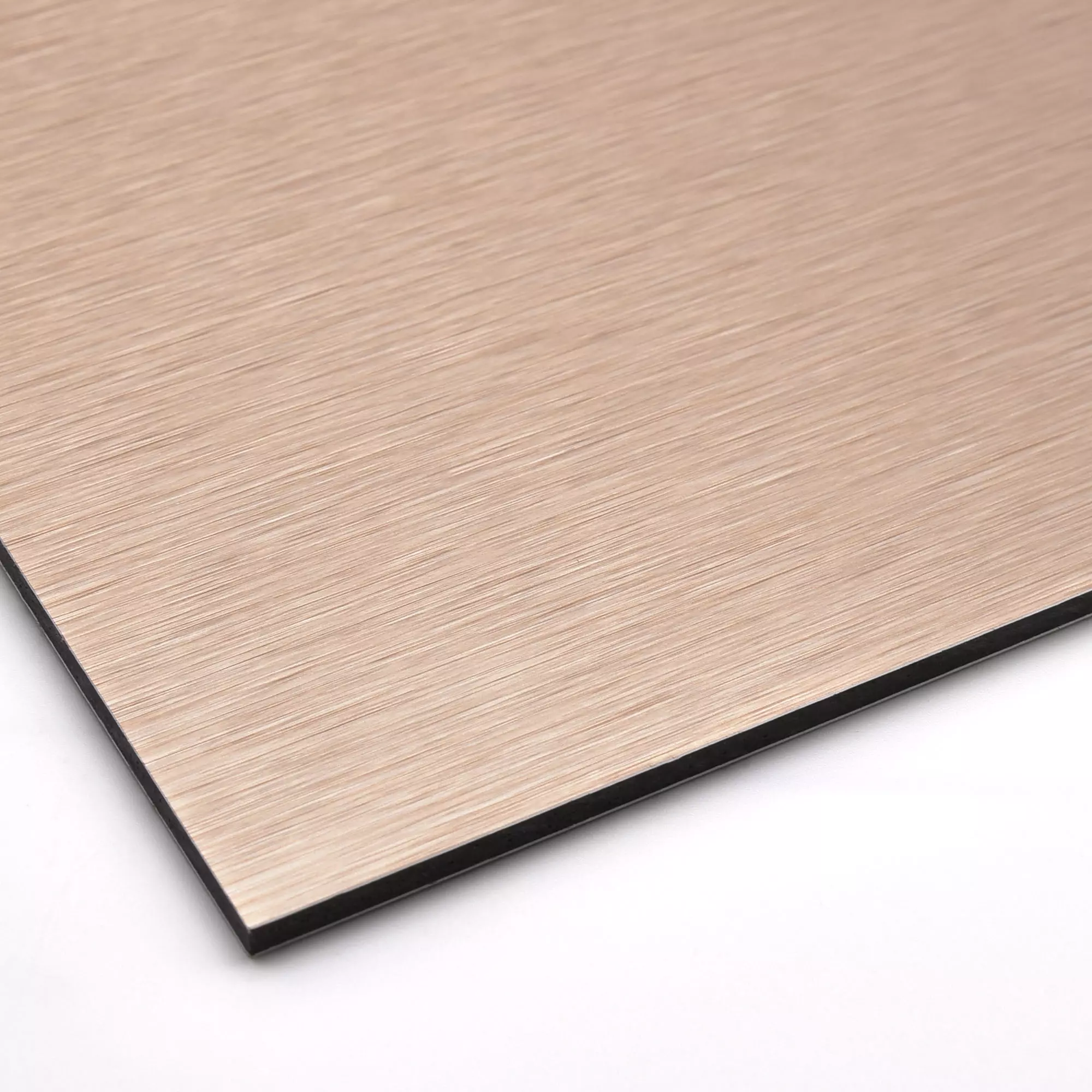
A Brushed Aluminum Composite Panel is a flat panel consisting of two thin sheets of aluminum (the "skins") bonded to a core material (usually polyethylene or a fire-retardant mineral core). The outer aluminum sheet is given a brushed finish—a mechanical polishing process that creates fine, consistent, unidirectional lines on the surface, mimicking the look of hand-brushed metal.

Aesthetic Appeal:
Sophisticated Look: Offers a premium, contemporary, and less reflective surface than mirror or high-gloss finishes.
Hides Imperfections: The directional grain is excellent at concealing minor scratches, fingerprints, and smudges.
Warmth & Texture: Provides more visual depth and texture compared to plain, mill-finished aluminum.
Durability & Performance:
Lightweight: Easy and cost-effective to transport and install compared to solid metal plates.
Flatness: The composite structure ensures excellent panel flatness over large areas.
Weather Resistance: The aluminum is typically treated with PVDF (Kynar 500®/Hylar 5000®) or PE coatings, offering excellent resistance to UV rays, corrosion, and pollution. Colors remain stable for decades.
Formability: Can be bent, curved, and folded (with proper techniques) to create seamless corners and dynamic shapes.
Functional Benefits:
Thermal Insulation & Dimensional Stability: The plastic core acts as an insulator and prevents thermal expansion/contraction issues common with solid metal.
Sound Insulation: Provides some acoustic damping.

Brushed aluminum ACP is a favorite for projects where aesthetics and a premium feel are paramount.
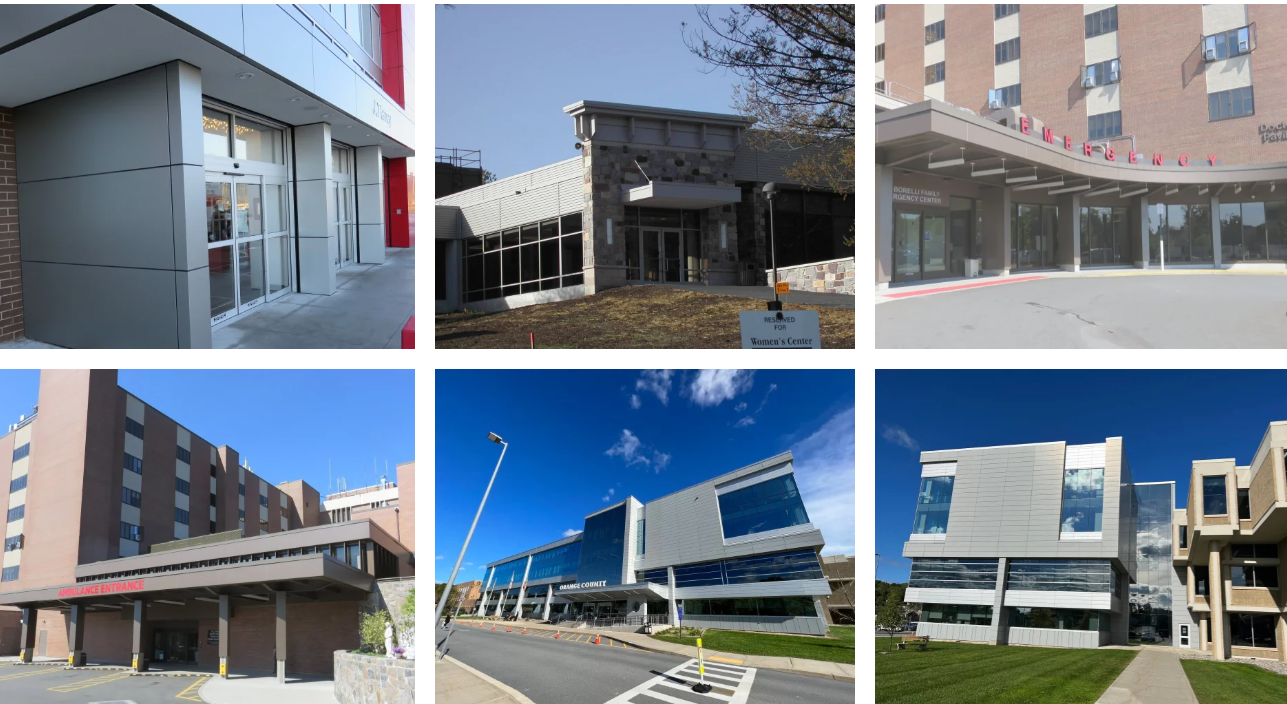
Architectural Cladding & Facades: For office buildings, retail centers, and institutional buildings.
Interior Design: Feature walls, column covers, ceilings, retail displays, and boutique fittings.
Signage & Branding: Corporate signage, entrance logos, and decorative letters.
Transportation: Interior paneling for trains, buses, and yacht interiors.
Furniture & Exhibitions: High-end table tops, cabinet finishes, and trade show booths.

Standard Thickness: Common total panel thicknesses are 3mm, 4mm, and 6mm.
Aluminum Thickness: The outer skin typically ranges from 0.2mm to 0.5mm.
Core Types:
Polyethylene (PE): Standard, cost-effective, for general use.
Fire-Retardant (FR): Mineral core, used where building codes require higher fire safety (e.g., high-rises, public spaces).
A2 Core: Non-combustible mineral core (often aluminum hydroxide), meeting the highest European fire classifications for unrestricted use in tall buildings.
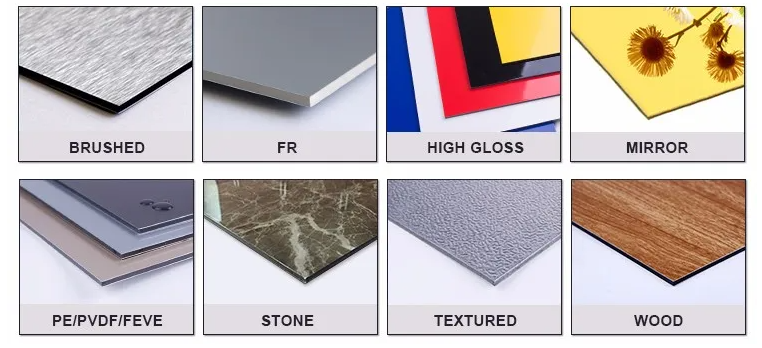
Color Options: While classic brushed silver is most common, brushed finishes are also available in anodized colors (e.g., brushed bronze, brushed gold, brushed black, brushed champagne) through PVDF coating.
Installation: Typically installed using a rain-screen cladding system with aluminum framing and cassette/sub-frame methods. This allows for drainage and ventilation behind the panels.
Maintenance: Low maintenance. Regular cleaning with mild soap and water is usually sufficient. The PVDF coating ensures most dirt does not adhere strongly.
vs. Solid Brushed Aluminum Plate: ACP is far lighter, cheaper, offers better flatness, and has built-in insulation. Solid plate is stronger and more rigid but much heavier and costlier.
vs. Painted/Coated ACP: Brushed finish offers a more premium, textured look that hides blemishes better than a uniform painted surface.
vs. Stainless Steel: ACP is lighter and less expensive. Brushed stainless steel has a similar look but is heavier, more expensive, and can be more difficult to fabricate.
In summary, brushed aluminum composite panels are an ideal choice for architects and designers seeking the luxurious, textured appearance of brushed metal, with the practical benefits of lightness, durability, and ease of installation that standard ACPs provide. Always ensure the product specifications (coating type, core fire rating, thickness) match the requirements of your specific project.
Our Main Related Products

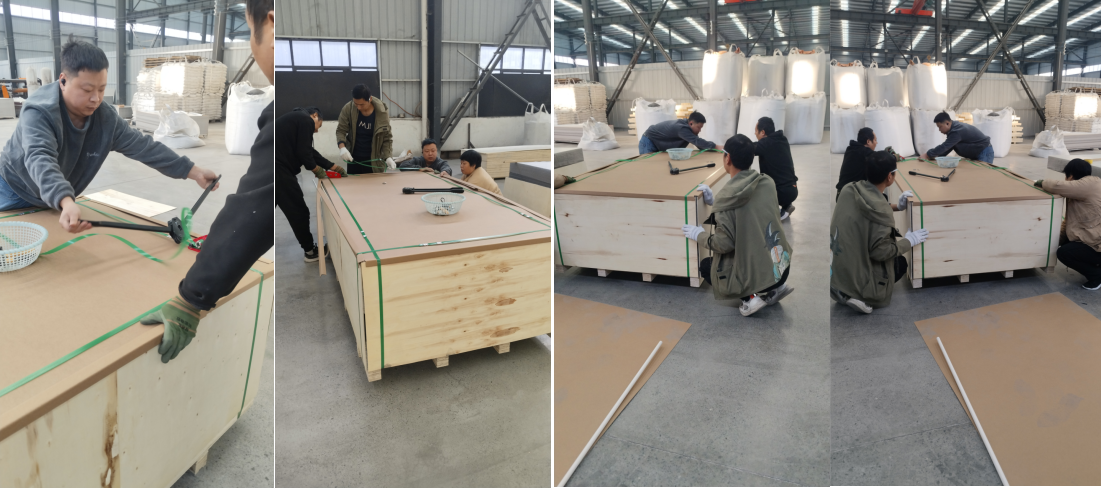
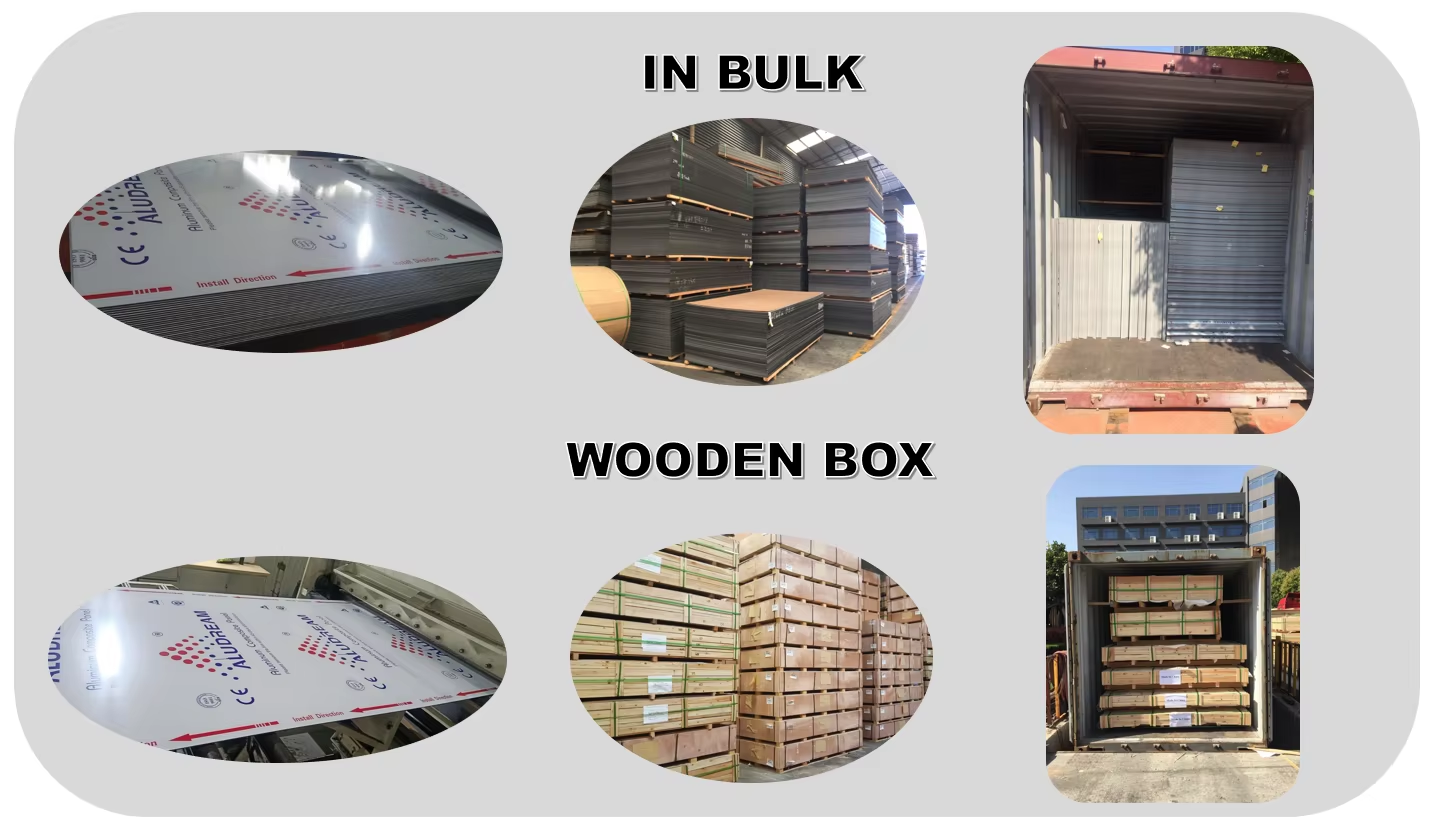
The Brushed Aluminum Composite Panel is meticulously packaged to ensure its protection during transit. Each panel is covered with a protective film to guard against scratches and surface damage. The panels are then stacked on a sturdy wooden pallet, separated by foam or plastic spacers to prevent abrasion.
The pallet is securely wrapped with plastic stretch film, providing additional stability and protection against moisture and dust. Reinforced straps are applied around the pallet to maintain the integrity of the stack and to facilitate safe handling and lifting.

For international shipments, the palletized panels are placed inside a durable, weather-resistant shipping container. The container is sealed and marked with the appropriate shipping labels and handling instructions to guarantee that the product arrives at its destination in pristine condition.

Before dispatch, each shipment undergoes a thorough inspection to ensure that packaging standards are met, and the Brushed Aluminum Composite Panel is ready for safe transportation to our valued customers.
Thank you very much for viewing this page
Sincerely look forward to our cooperation!