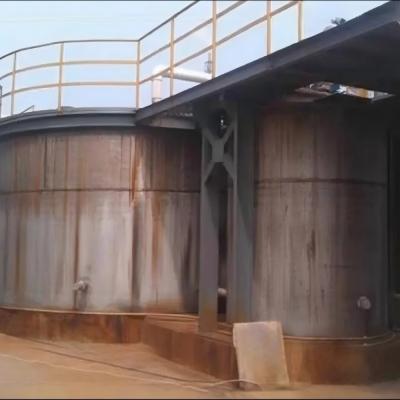
Corrosion Resistant Carbon Steel Tank With Anodic Protection For Sulfuric Acid Storage
Background Considerations
Industrial facilities handling concentrated sulfuric acid must address the progressive interaction between stored product and containment materials. Carbon steel, selected for its favorable balance of cost and mechanical properties, undergoes gradual electrochemical attack when exposed to this medium. This predictable phenomenon, if unmanaged, eventually compromises vessel integrity and necessitates replacement. Anodic protection provides a systematic method for interrupting this deterioration process.
Theoretical Framework
The approach utilizes established knowledge of metal behavior in electrolytic environments. A control instrument maintains the tank's internal surface at a predetermined electrical condition relative to the acid. This maintained condition promotes the development of a continuous, adherent passive film on the steel substrate. This film, though microscopic, effectively separates the base material from the corrosive medium by preventing the ionic exchange required for corrosion to continue.
Installation Components
A functional system incorporates several integrated elements:
- Containment Vessel: Standard carbon steel tank serving as the protected structure
- Current Distribution: Cathode assemblies fabricated from acid-resistant alloys
- Potential Monitoring: Reference electrode providing continuous measurement against a stable standard
- Regulation Equipment: Potentiostat unit processing input and adjusting output accordingly
Demonstrated Results
Thickness Preservation: Annual material loss declines from approximately 1.0 millimeters to below 0.1 millimeters
Quality Maintenance: Prevention of iron transfer preserves acid appearance and specification
Economic Advantage: Capital expenditure remains moderate through use of carbon steel rather than premium alloys
Interruption Reduction: Extended periods between internal inspections decrease operational downtime
Automatic Regulation: Continuous compensation for process variations eliminates manual adjustment requirements
Application Areas
The methodology demonstrates effectiveness in:
- Installations storing sulfuric acid above 93% concentration
- Facilities handling oleum and related high-strength acids
- Operations requiring extended containment of passivating electrolytes