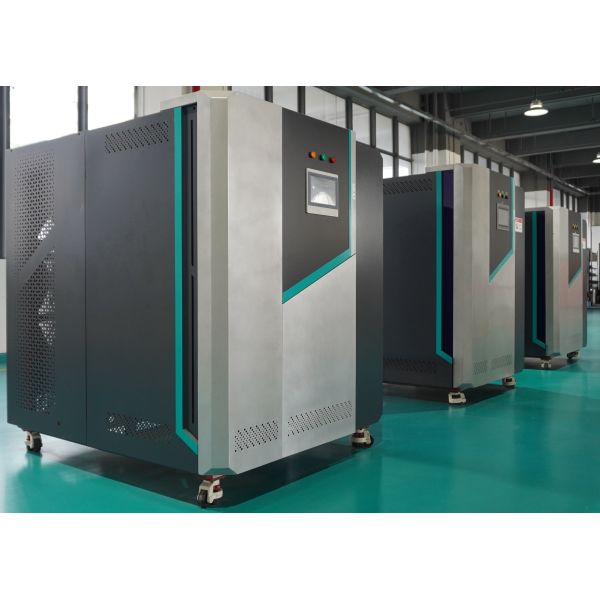
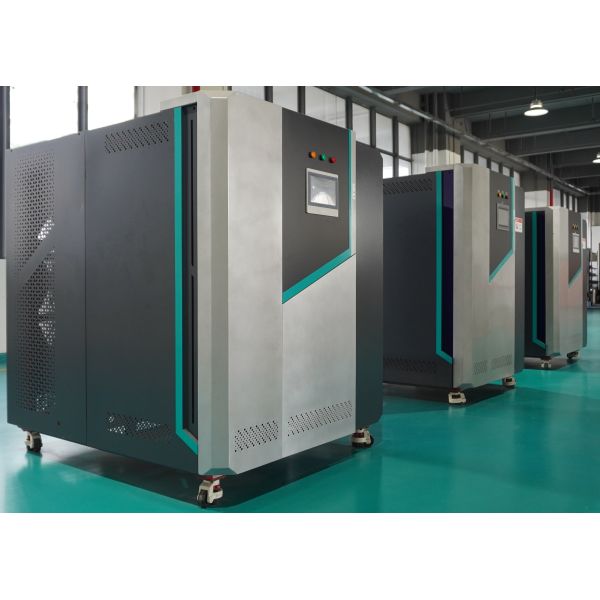
I. Product Overview
High-chroma wastewater widely originates from industries such as textile printing and dyeing, dye production, papermaking and pulping, ink manufacturing, pharmaceutical intermediates, food fermentation, and chemical synthesis. This wastewater contains numerous chromogenic groups (such as azo bonds, nitro groups, imine groups, quinone groups, and conjugated double bonds) and auxochromic groups, resulting in colors ranging from deep red, orange-yellow, blue-black, to purplish-brown, with chromaticity typically hundreds to tens of thousands of times higher. This type of wastewater not only has a poor visual appearance, but the chromogenic organic matter often possesses biotoxicity or is difficult to biodegrade. When discharged into receiving water bodies, it obstructs sunlight transmission and disrupts the aquatic ecological balance.
Traditional decolorization methods each have their limitations: flocculation and sedimentation produce large amounts of chemical sludge and have poor decolorization effects on water-soluble dyes; activated carbon adsorption is costly, difficult to regenerate, and produces saturated carbon hazardous waste; ozone oxidation requires large equipment investment, has low ozone utilization, and high operating power consumption; Fenton oxidation consumes large amounts of reagents, produces a large amount of iron sludge, and requires repeated pH adjustments; biological methods have almost no ability to degrade most synthetic dyes, and color cannot be removed biochemically.
This system employs electrochemical oxidation technology. It directly oxidizes the chromophores at the unsaturated bonds and conjugated structures of the chromophores through anodic oxidation, while simultaneously using electrocatalysis to generate hydroxyl radicals (·OH) and strong oxides such as active chlorine for indirect oxidation. This completely breaks down or transforms the chromophores into colorless small molecules. The entire process consumes only electricity, requires no chemical reagents, and produces no sludge or saturated waste. The decolorization rate can reach 90%–99%, reducing color to less than 50 times the original value, while simultaneously removing COD, resulting in colorless and transparent effluent.
II.Difficulties in treating high-color wastewater and solutions of this equipment
| Addressing difficulties |
Electrochemical solutions |
|
The chromophore structure is stable and difficult to disrupt using traditional methods. |
Direct anodic oxidation attacks unsaturated bonds and conjugated structures, with hydroxyl radicals indiscriminately oxidizing and completely breaking down chromophores. |
|
Flocculation and sedimentation decolorization are basically ineffective against hydrophilic dyes and soluble chromogenic substances. |
Electrochemical degradation follows an oxidative degradation pathway, independent of flocculation or adsorption, and is applicable to various water-soluble and water-insoluble dyes. |
|
Activated carbon adsorption only transfers pollutants, generating a large amount of hazardous waste and incurring high regeneration costs. |
The colorant is completely mineralized and decomposed into CO₂ and water, with no solid waste transfer and no secondary pollution. |
|
Fenton oxidation requires the addition of H₂O₂ and Fe²⁺, generating a large amount of hazardous iron sludge, and posing a high risk of effluent color rebound. |
Zero chemical additives, no iron sludge, complete degradation, and no color rebound. |
|
Color intensity is often accompanied by COD, and COD remains high even after traditional decolorization methods. |
Simultaneous oxidation of chromophores and COD results in a COD removal rate of 50%~80% during decolorization. |
|
High-salt dyeing wastewater severely corrodes conventional electrodes, easily leading to equipment failure. |
Titanium-based composite coated electrodes are chlorine- and salt-resistant, corrosion-resistant, and suitable for high-salt dyeing wastewater. |
|
Dye molecules have complex structures, and different dyes require different decolorization methods, resulting in poor process versatility. |
Electrochemical decolorization, driven by redox potential, has a broad-spectrum decolorization effect on various dyes, including azo, anthraquinone, phthalocyanine, and triphenylmethane dyes. |
III. Working Principle
High-chroma wastewater, after having suspended solids removed by a screen or filter, enters an electrochemical reactor, where, under the action of electrodes:
(1) Direct electro-oxidation
Chromophores (azo bonds, quinone structures, conjugated double bonds, aromatic rings, etc.) directly lose electrons at the anode surface, breaking unsaturated bonds in the molecular structure, disrupting the conjugated system, and raising the electronic transition energy level beyond the visible spectrum, macroscopically manifesting as color loss. This pathway is highly selective for dye molecules and is the most important mechanism for decolorization.
(2) Indirect electro-oxidation
The anodic electrolysis of water generates hydroxyl radicals (·OH), while naturally occurring chloride ions in the wastewater (commonly found in industries such as dyeing and printing) are electrolyzed to produce active chlorine (Cl₂, HOCl, OCl⁻). These highly oxidizing active species diffuse into the solution, subjecting dye molecules that have not directly contacted the anode to secondary oxidative attack, further breaking down residual chromophores and mineralizing organic intermediates.
(3) Co-removal of COD
After the chromophores are broken, the resulting small organic molecules (such as organic acids and alcohols) continue to be oxidized and mineralized into CO₂ and H₂O, simultaneously achieving a significant reduction in COD. The total amount of organic matter in the decolorized effluent decreases significantly, rather than simply "bleaching" the chromophores while keeping the COD unchanged.
(4) Anti-chromaticity rebound mechanism
Electrochemical oxidation causes complete molecular restructuring of the chromophores, rather than merely altering the distribution of electron clouds around the chromophores. After treatment, the wastewater shows no visible color recovery after 24-72 hours of standing, ensuring the long-lasting stability of the decolorization effect.
IV. Core Advantages (for high-color wastewater)
|
Advantages |
illustrate |
|
Significant decolorization effect |
The color removal rate is 90%~99%, and the color of the influent, which is thousands of times greater, can be reduced to less than 50 times. The effluent is colorless and transparent to the naked eye. |
|
Broad spectrum applicability |
It has excellent decolorizing effect on various dyes and chromogenic substances such as azo, anthraquinone, phthalocyanine, triphenylmethane, and heterocyclic compounds. |
|
Decolorization significantly reduces COD |
A COD removal rate of 50% to 80% is not a simple "bleaching and transfer," but rather a genuine mineralization and degradation of pollutants. |
|
Zero chemicals, zero solid waste |
No flocculants, oxidants, acids, or alkalis are added, and no chemical sludge or adsorption-saturated waste is generated. |
|
No color rebound |
The chromophores are completely broken rather than reversibly reduced, resulting in long-term colorless and odorless effluent. |
|
Adaptable to high-salt dyeing wastewater |
Salt not only does not affect efficiency, but it also facilitates indirect oxidation by active chlorine; the higher the salinity, the better the treatment effect. |
|
Electrodes are resistant to contamination and do not form scale. |
The special coating design makes it difficult for dyes and additives to adhere to the electrode surface, eliminating the need for frequent cleaning during long-term operation. |
|
Normal temperature and pressure operation |
No heating or pressurization required, no risk of ozone leakage, simple and safe operation and maintenance. |
V. Technical Specifications (Customizable)
|
parameter |
scope |
|
Processing volume |
1 ~ 1000 m³/day (modular parallel operation) |
|
Installed power |
3 ~ 200 kW (depending on color and water volume) |
|
Operating voltage |
3 ~ 15 V (DC, safe voltage) |
|
Water color |
100 ~ 20000 times |
|
COD of influent |
200 ~ 8000 mg/L |
|
Water color |
As low as ≤50 times |
|
Color removal rate |
90%~99% |
|
COD removal rate |
50%~80% |
|
Equipment Material |
PP / Stainless Steel / Titanium |
|
Water intake requirements |
SS ≤ 100 mg/L (pre-filtration/precipitation) |
VI. Applicable to various scenarios involving high-color wastewater.
|
Sub-sectors |
Wastewater characteristics |
Key points for adapting electrochemical decolorization |
|
Dyeing and printing wastewater (cotton/polyester/linen dyeing and finishing) |
It contains reactive dyes, disperse dyes, and direct dyes, with a color intensity of 1000 to 10000 times, and a high salt content (NaCl, Na₂SO₄). |
A high-salt environment is highly conducive to indirect oxidation by active chlorine, resulting in high decolorization efficiency and simultaneous removal of COD from slurry and additives. |
|
dye production mother liquor |
The residue from dye synthesis and purification has extremely high color intensity (up to tens of thousands of times), extremely high salt content, and extremely poor biodegradability. |
Electrochemistry serves as the primary processing unit; high salt content and high chroma are not limiting factors, allowing for direct oxidation to colorless. |
|
Papermaking and pulping wastewater (chemical pulp, waste paper deinking) |
It contains lignin derivatives and chlorophenols, has a dark brown to black color, and a high COD (3000~15000 mg/L). |
Hydroxyl radicals attack lignin macromolecules, disrupting chromogenic auxochromes, resulting in significant decolorization and reduced COD. |
|
Ink/coating production wastewater |
Contains pigments, resins, and solvents; has deep color and high COD. |
Direct oxidation destroys the conjugated structure of pigment molecules, and decolorization simultaneously degrades resin-based organic matter. |
|
Wastewater from pharmaceutical intermediates (especially in the synthesis of antibiotics and nitroimidazoles) |
Contains nitro and imine chromophores, with a deep yellow to brownish color, and is biologically toxic. |
Nitro and imine groups are electrochemically sensitive groups and are easily reduced/oxidized at the anode, resulting in decolorization. |
|
Fermented foods (soy sauce, caramel coloring, monosodium glutamate, etc.) |
Contains Maillard reaction products and caramel color; dark brown in color. |
Large pigment molecules are oxidized and broken down into colorless small molecules, achieving a color removal rate of over 90%. |

VII. Process Location
Option 1: Separate decolorization treatment (directly meets emission standards or is reused)High-chroma wastewater → Screening/sedimentation (removal of suspended solids, fibers, etc.) → Electrochemical equipment → Effluent (colorless and transparent, COD meets standards) → Discharge or reuse in production
Option 2: Pretreatment followed by biochemical treatment (applicable to high-concentration composite wastewater)
High-chroma wastewater → Screening/sedimentation → Electrochemical equipment (decolorization, elimination of biotoxicity, improvement of B/C ratio) → Biological system → Discharge meeting standards
Note: After electrochemical destruction of the chromogenic organic matter, the B/C ratio is significantly improved (the B/C ratio of some dye wastewater can be increased from 0.1 to over 0.3). The subsequent biochemical system can efficiently degrade the residual small molecule organic matter. The electrochemical stage aims at "decolorization + detoxification" while keeping power consumption at a low level.
Option 3: As an advanced treatment unit (for decolorization and standard improvement of biochemical effluent)
Biochemical treatment → Secondary sedimentation tank → Electrochemical decolorization equipment → Discharge
Note: The color of some wastewater treated by biological treatment still does not meet the standards (biological treatment has little effect on removing chromophores). Adding an electrochemical decolorization unit at the end of the biological treatment process, which operates at low power and only treats residual color, has the lowest operating cost and is an ideal supplement to the existing biological treatment system for upgrading.